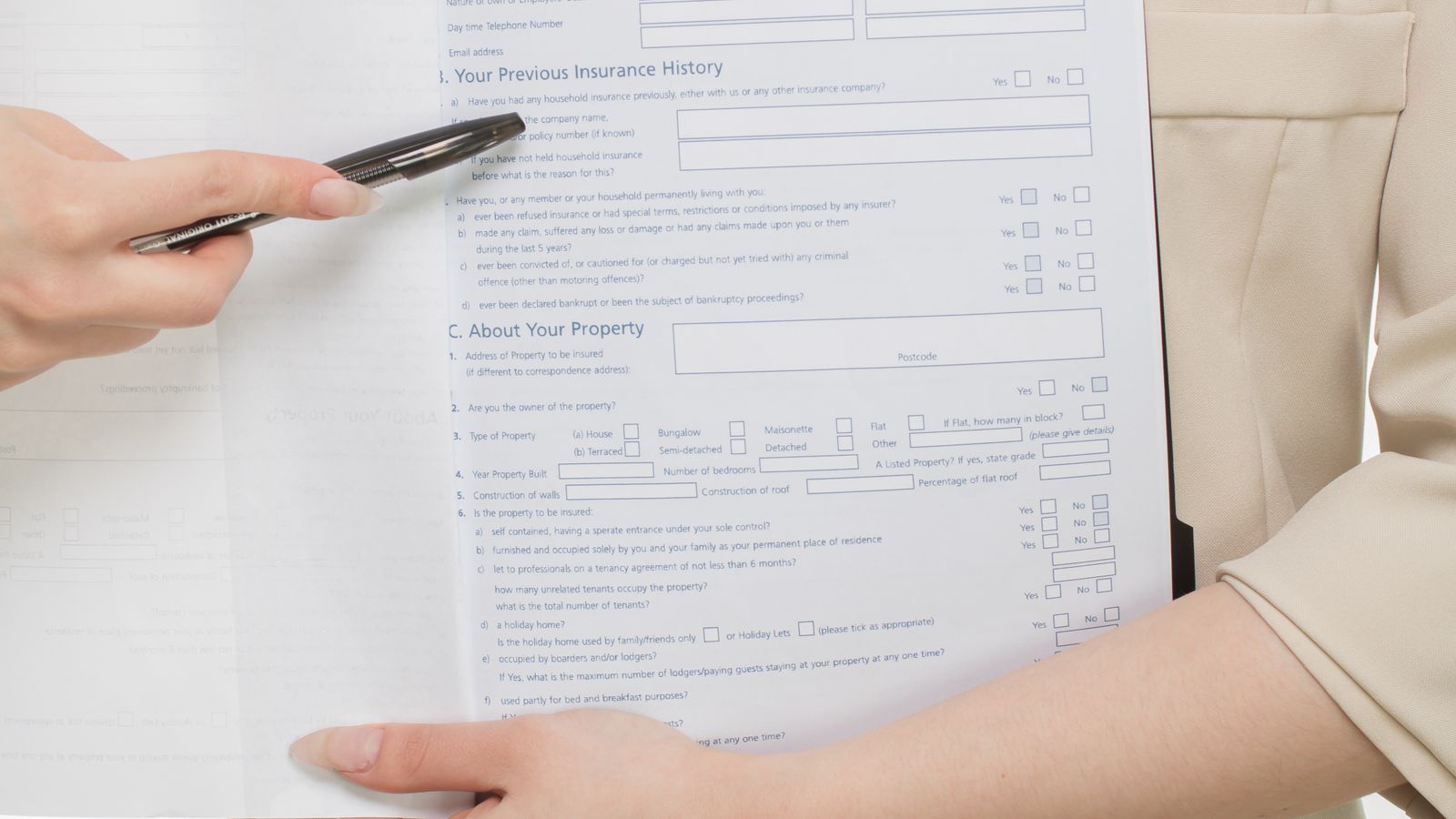
A school does not buy insurance for the year it has a claim. It buys it for the one year it does. For an independent school, a single serious event - a fire, a serious learner injury, a fraud - can be the difference between a full term and a closed campus. Insurance is how the school's financial risk is shared, and getting the cover right is squarely a bursar's job.
Why insurance is a finance job
Insurance is not an admin errand. It is a balance-sheet decision:
- It protects the school's assets. Buildings, equipment, vehicles and the register of everything the school owns are the school's capital. The fixed asset register is the document that turns those assets into an insurable number.
- It protects the school's cash. A claim that is not covered, or is under-insured, lands directly on the budget. One under-insured fire can erase a term's surplus.
- It is a board-level decision. The board owns the school's risk appetite. The bursar brings them the options and the premium; the board signs off the level of cover.
- It is reviewed, not set once. Premiums renew annually, and cover should be re-tested every year against what the school now owns and does.
The covers a school needs
Most independent schools need a combination of policies, often wrapped in a school or non-profit package. Work through them with a broker who knows schools, but know the list yourself:
- Buildings and contents. The buildings, and everything inside them: furniture, IT, lab and sports equipment, libraries, uniforms stock. Two things to check every renewal: the sum insured keeps pace with rebuild and replacement values, and new items bought during the year have been added.
- Public liability. Covers claims by visitors, suppliers and members of the public injured on school property or at school events. This is the policy that protects the school when someone is hurt on campus.
- Employers' liability. Covers claims by staff injured in the course of their work, on top of the statutory compensation (COIDA) a registered employer already carries.
- Learner accident cover. Most schools carry accident cover for learners, usually per-learner personal accident cover that pays for medical costs and, in the worst cases, a lump sum. Parents of boarders and sports participants expect this cover and it is often quoted in the fee pack.
- Vehicles. The school's own vehicles, plus cover for teachers and coaches using private vehicles for school business. A school bus fleet is a separate, specialist risk that deserves its own review.
- Fidelity and theft. The school's own staff, and the cash and accounts they handle. Given how often school fraud starts inside the office, the fraud protection conversation and the fidelity policy belong together.
- Business interruption. The cover nobody thinks about until a building is closed: lost fee income and extra costs for the weeks or months the school cannot run normally after a claimable event.
- Cyber and digital. Schools hold learner and staff personal information, and the POPIA obligations are real. Cyber cover helps with breach response costs, notification and liability.
Directors and officers cover, which protects board members personally, is increasingly expected at independent schools. Ask the broker about it explicitly, because a board that carries personal risk deserves to know.
The gaps that hurt most
Most insurance failures are not dramatic policy mistakes. They are quiet gaps:
- Under-insurance. Insuring buildings at market value instead of rebuild cost, or contents at book value instead of replacement value. When a claim happens, the insurer applies the average clause and pays a fraction.
- The asset register that is never updated. New laptops, a new science lab fit-out, new sports equipment - if they are not added to the register and the schedule, they are not covered. The fixed asset register discipline is what keeps the sum insured honest.
- Extras billed separately. Events, camps, tours and sports fixtures carry their own risks and often need temporary or one-off cover or a specific clause. Confirm what is covered before the trip, not after the incident.
- Contractors and volunteers. Building contractors on site, and volunteer parents driving for sport, are grey areas on many policies. Naming them in the policy or arranging cover in advance closes the gap.
- Boarders and facilities. Hostels and sports facilities for hire carry different risk profiles. If the school rents out its hall or fields, tell the insurer - it changes the risk.
Reviewing cover without overpaying
- Use a broker who knows schools. A general broker may not know that learner accident cover and boarder risks are standard at independent schools. Specialist school or non-profit brokers price the whole package properly.
- Get three quotes on the package, not the lines. Comparing one policy at a time loses the picture. Ask three brokers to quote the same schedule of risk and compare the package and the excesses together.
- Match excesses to the school's pocket. A higher excess on small-risk lines (contents, glass) saves premium on the theory that small claims are affordable. Never raise the excess on the lines that could genuinely break the budget.
- Review at renewal against reality. Before each renewal, walk the schedule: what was bought, sold, built or started? Update the sums insured with the annual compliance and insurance review on the same calendar date every year.
- Record the review. The board minutes should record what was covered, at what sums insured, and why. A recorded decision beats a "I think we're covered" in the memory of whoever left.
When a claim happens
Claims are when the real work starts. Run them like any other control:
- Report immediately and in writing. Most policies require prompt notification. Do not wait for the full picture; report what is known and add to it.
- Document everything. Photos, receipts, the asset register entries and witness statements. The financial controls that keep records straight every day are the ones that settle a claim fast.
- Keep a claims file. One folder per claim with the report, the correspondence and the outcome, for the auditor and the board.
- Tell the board. A claim over the agreed threshold goes to the board with the expected financial impact, promptly.
Insurance is the school's shock absorber. Reviewed annually, scheduled from the real asset register, and matched to what the school actually does, it turns the worst-case year into a claim number instead of a closing-down sale. That is a decision worth making on purpose.
Sources & further reading
- Fixed Asset Register for Schools - the register that keeps sums insured honest.
- Internal Financial Controls for Independent Schools - the everyday records that settle a claim.
- How to Protect Your School from Fraud - the office risks the fidelity cover protects against.
- Annual Compliance Checklist - where the annual insurance review belongs on the calendar.
This page is general information, not insurance or legal advice. Policy terms, sums insured and excesses are set by each school's broker and insurer. Confirm the cover that applies to your school with your insurance broker and, where needed, the school's legal advisor.