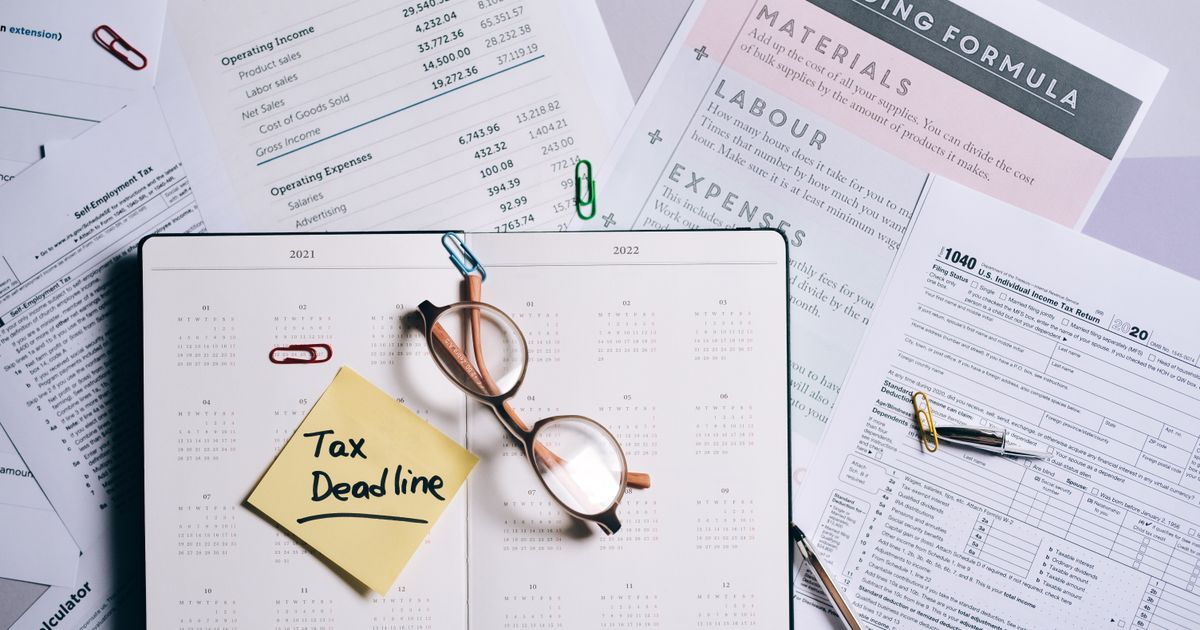
Run this list once a year, ideally at a quiet moment in the term before audit season. Work each section with the person responsible - the principal, the board chair or the bookkeeper - and tick off what is actually current. If anything is not current, the fix is almost always a form and a deadline, not a crisis.
Registration and governance
- Provincial registration current. Independent schools must be registered with the provincial education department where they operate. Check that the registered details - school name, principal, contact person, address - still match reality. The South African Schools Act sets out the registration obligations for independent schools in each province.
- Legal form in good standing. If the school is a non-profit company (NPC), a trust or a company, its annual returns must be up to date with CIPC. If it is also registered as an NPO, the annual report obligations to the Department of Social Development must be met.
- Board or council minutes filed. Fee decisions, budget approvals and financial oversight should be recorded and traceable. Your auditors will ask for the trail.
- Insurance in place and current. Public liability, buildings and contents, and employer obligations under COIDA. Confirm the cover matches the school's actual activities, including any facility hire.
SARS and tax obligations
- VAT status reviewed. From 1 January 2026 all supplies made by a school are exempt from VAT, so a registered school should have applied to deregister, filed the final VAT201 and kept the confirmation on file. Our guide to VAT on school fees covers the exit and the records SARS expects.
- Tax compliance status current. The school's compliance status with SARS (tax clearance) should be clean, because it gets checked when you apply for funding, government tenders or certain registrations.
- Payroll taxes up to date. Monthly PAYE, UIF and SDL submissions (EMP201) paid on time all year, and both EMP501 reconciliations completed. See employer basics for the monthly rhythm.
- Provisional tax, if applicable. If the school's income attracts provisional tax obligations, make sure the relevant payments went in on time.
- eFiling access in order. The right people have login access, and the person who left still does not. This is a five-minute check that prevents a lot of pain.
Employer duties
- Every worker classified correctly. Employees are on the payroll with PAYE deducted; genuine independent contractors are invoiced. If you are not sure about a regular coach, therapist or relief teacher, get the classification reviewed before SARS does.
- New staff on the payroll before their first pay. A new teacher cannot be paid without a tax number and a payroll record. Registration as an employee happens before payday, not after.
- IRP5 / IT3(a) certificates issued to every employee at year end, on time.
- COIDA registration and annual assessment confirmed as paid with the Compensation Fund.
- Staff files complete. Contracts, ID copies, tax numbers, banking details and leave records in one secured place. Remember these files are personal information too.
Data protection (POPIA)
- Information Officer designated and registered with the Information Regulator - and re-checked whenever the head of school changes.
- PAIA manual current. The school's manual on access to information should exist and say something true.
- Operator agreements in place for every provider that handles personal data: fee software, payment gateway, SMS and email platforms, auditors, debt collectors.
- Records inventory reviewed. Where personal information lives, what it is, and why it is there - updated this year.
- Retention and destruction running. Records kept only as long as needed, and the shredder actually used. Our POPIA guide walks the full routine.
Records and financials
- Bank reconciliations signed off for every month of the year, not just the ones that balanced.
- Fee records reconciled. Amounts billed, amounts received, arrears and write-offs all tie back to the fee system and the bank.
- Supplier tax invoices filed so every expense is traceable, and any historic VAT claims can be reconstructed if ever queried.
- Contracts and agreements in one known place. Enrolment contracts, leases, service agreements - findable in under five minutes when the auditor asks.
- Five years of records kept for tax and audit purposes, secured and access-limited.
Board and audit cycle
- Annual financial statements prepared for the year just closed.
- Audit or independent review completed and signed off. If it has been on the calendar for two years, it is not on the calendar.
- Next year's budget and fees approved by the board before the year starts, with the decision minuted.
- Fee policy reviewed. Payment terms, late-fee interest and the arrears escalation process, checked against what the school actually does. A written policy the school does not follow is worse than no policy.
Keep the year ticking between these
Most of the items above are annual, but the rhythm that keeps them healthy is monthly and weekly:
- Every month: run the month-end finance checklist and close the month properly before the next one starts.
- Every week: the weekly fee collection checklist keeps fees, reconciliations and reminders on track.
- At year end: the year-end and audit readiness checklist turns this annual list into an auditor's file.
Compliance is not a week in the year; it is the by-product of a school that closes its months properly and runs its lists.
Sources & further reading
Where to confirm each obligation when the details matter:
- Department of Basic Education and your provincial education department - registration of independent schools.
- SARS: Pay As You Earn - PAYE, UIF, SDL and the EMP201/EMP501 cycle.
- Information Regulator (South Africa) - POPIA, PAIA manuals and Information Officer registration.
- CIPC - annual returns for NPCs and companies.
- Department of Employment and Labour - UIF and COIDA.
- ISASA: Overview of the Bursars' Toolkit - practical guidelines compiled with SABISA.
This checklist is general information, not legal or tax advice. Obligations differ by province, legal structure and circumstances. Confirm each item that applies to your school with the relevant authority or your professional advisors.