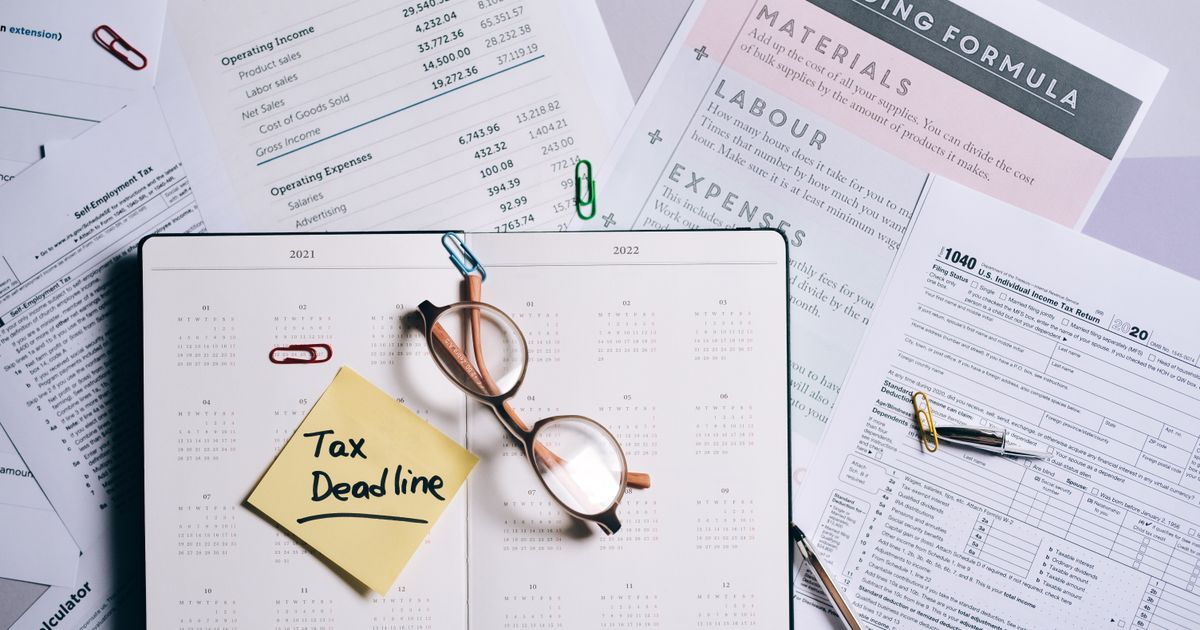
This checklist gathers the documents that nearly every school audit asks for. Run through it a few weeks before fieldwork starts, gather everything into one folder (electronic is fine, organised by section), and date each item as it lands. If something on the list does not apply to the school, note that too - a short line saying "not applicable" answers a question before it is asked.
The year's financial statements and close
- Year-end trial balance. The complete list of account balances at year end, balancing, straight from the ledger.
- Draft financial statements. The school's own draft income and expenditure account and balance sheet, even if the auditor will finalise them.
- Bank confirmations. Written confirmation from each bank of the accounts, balances, signatories and limits at year end, requested by the auditor or the school in the required format.
- Monthly reconciliations. All twelve signed, dated monthly bank reconciliations for the year, agreed to the year-end balance.
- Year-end adjustments working papers. The calculations behind prepayments, accruals, depreciation and any closing entries, so the auditor can see the logic, not just the totals.
Ledgers, debtors and creditors
- Debtors age analysis. The list of what each family owes, aged by month, totalling to the debtors control balance in the ledger.
- Creditors list and reconciliations. Every supplier balance at year end, with the supplier statements and the reconciliation of each one to the ledger.
- Fixed asset register. The full register with cost, accumulated depreciation, carrying value and the annual count signed off. The totals must agree to the ledger.
- Petty cash and floats. The year-end count of petty cash and any cash floats, signed and agreeing to the books.
- Prepayments and accruals schedules. What was paid in advance and what was owed at year end, with the supporting invoices.
- Bad debts and write-offs. The list of fees written off during the year, with the approvals behind each one.
People, governance and the money's guardians
- Board minutes for the financial year. The minutes that approve budgets, financial statements, write-offs and significant transactions - the auditor reads these as the record of the board's oversight.
- Signatory list and delegation of authority. Current signatories on each bank account, and the written limits on who can approve what.
- Insurance policies. The year's policies covering buildings, contents, vehicles and liability, checked against the fixed asset register.
- Significant contracts. Leases, service contracts and loan agreements that affect the year's figures or commit future years.
- Related party list. Any transactions between the school and its board members, staff or their interests - loans, payments, rentals - reported as the law requires.
Tax and statutory records
- VAT returns for the period. Every VAT201 filed, plus the workings showing how the figures were built. The total of the returns should agree to the VAT account in the ledger. Include the deregistration confirmation if the school exited VAT during the year.
- PAYE, UIF and SDL returns. The monthly EMP201s filed and paid, agreed to the payroll records, with the year-end reconciliations.
- SARS reconciliations. The annual reconciliations the school is required to submit, completed and filed, with the letters or statements from SARS.
- Statutory registrations. Proof the school's registration and annual returns are current: CIPC and the Department of Basic Education where applicable, plus any sector registrations.
- POPIA records. The school's POPIA compliance record - information officer, PAIA manual and the register of records - since it is now a standard audit and governance question.
Readiness: what makes the audit go quickly
- Open the pack two weeks before fieldwork. Gather everything before the auditor arrives, not while they are waiting. The audit is billed on time, and a school that is ready pays for less of it.
- Match every total to the ledger. The classic audit delay is a schedule that does not agree to the trial balance. Each schedule in the pack ties back to a ledger account balance.
- List what is missing, honestly. A one-page note saying "these three items are still outstanding and will follow by Friday" beats silence. The auditor plans around it.
- Keep a copy of everything handed over. The pack is the school's file too. Keep a copy, dated, with the auditor's receipt or covering email.
- Feed the year-end list. Anything this checklist reveals as missing becomes next year's to-do. That is the loop that makes the next audit cheaper and calmer.
The audit pack is not extra work on top of the year end; it is the year end, gathered. Most of these documents already exist - the annual close creates them, the year-end checklist organises them, and this list simply makes sure nothing is forgotten when the auditor asks.
Sources & further reading
Where to go deeper on the items above:
- Bank Reconciliation for Independent Schools - the monthly control behind the reconciliation schedule.
- Fixed Assets for Schools - building the asset schedule the audit pack needs.
- Year-End & Audit Readiness Checklist - the full annual close that produces this pack.
- SAICA - professional guidance on audit and financial statement preparation.
This checklist is general information, not legal, audit or accounting advice. Audit requirements vary with the school's legal structure, size and auditor. Confirm the specific pack your auditor expects before the engagement.